
Texas Attorney General Ken Paxton is taking a chemical company to court, and the numbers behind the lawsuit are hard to ignore — more than 70,000 pounds of unauthorized hazardous chemicals released into communities near Freeport, Texas, over the span of just a few years.
Paxton’s office filed suit against Blue Cube Operations LLC, targeting the company for what state investigators describe as a pattern of dangerous chemical releases from its Freeport facility. The Texas Commission on Environmental Quality identified at least 11 separate incidents between 2022 and 2025 — a track record that state officials say is unacceptable and, frankly, alarming for anyone living or working nearby.
A Pattern of Failures, Not a One-Time Accident
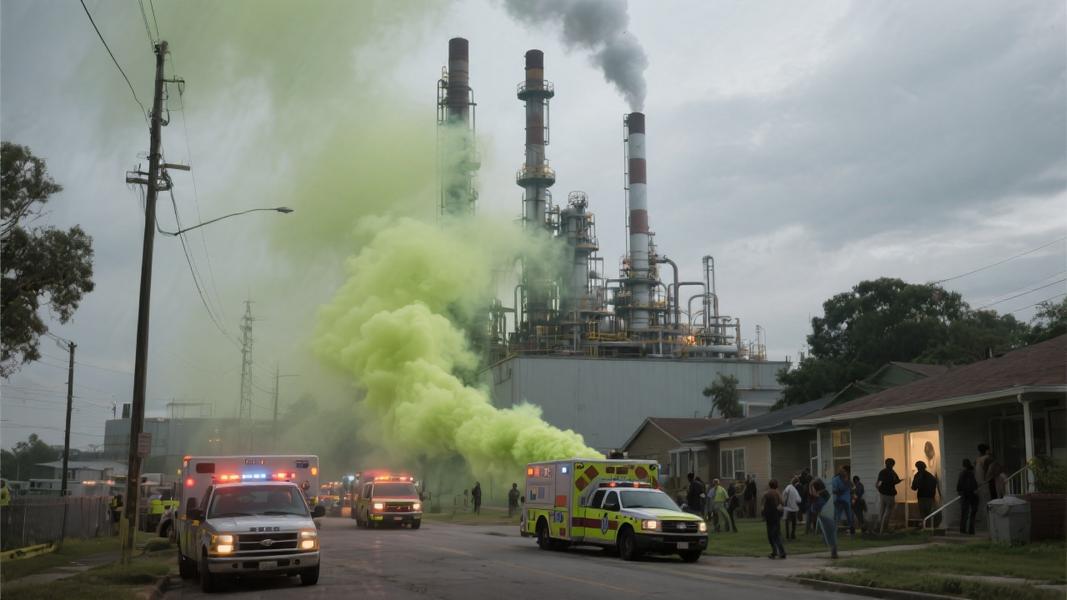
The most severe incident came in May 2025, when a chlorine release of more than 8,000 pounds spilled from the facility, causing injuries and forcing residents in the surrounding area to shelter in place. That’s not a minor spill. Chlorine gas is acutely toxic — even brief exposure can damage the lungs, and at high concentrations, it’s potentially fatal. For the families who had to lock their doors and wait it out, this wasn’t an abstract regulatory concern. It was a public health emergency.
“I will not allow any company to harm Texans’ health with dangerous chemicals,” Paxton stated in announcing the action. “Blue Cube’s repeated failures exposed Texas families to hazardous substances and forced entire communities to shelter in place. We will hold them accountable and work to prevent this kind of threat to public health in the future.”
What the State Is Asking For
So what happens now? The lawsuit seeks civil penalties as well as court-ordered injunctive relief — meaning the state doesn’t just want money. It wants to change how Blue Cube operates. That includes requiring the company to bring in independent auditors, implement operational improvements across the board, and adopt comprehensive compliance measures designed to prevent future releases. In other words, Paxton’s office wants a judge to force the company to fix its own house, under supervision.
That’s a meaningful distinction. Civil penalties alone can sometimes read as a cost of doing business for large industrial operations — write a check, move on. Injunctive relief, if granted, puts the company under ongoing legal obligation to perform. Violate it, and you’re not just facing a fine. You’re in contempt of court.
Freeport and the Weight of Industrial Proximity
Freeport sits along the Texas Gulf Coast, part of a dense industrial corridor that includes petrochemical plants, refineries, and manufacturing operations. It’s a region where the economic value of industry and the health risks to nearby residents have long existed in uneasy tension. Communities there have seen this kind of story before — though rarely with a paper trail of eleven documented incidents across three years to back it up.
Still, lawsuits take time. Blue Cube hasn’t been found liable yet, and the company will have its opportunity to respond in court. But the documented scope of the releases — totaling more than 70,000 pounds of unauthorized chemicals — gives the state a substantial factual foundation to build on. The outlined remedies suggest the attorney general’s office is thinking beyond punishment and toward prevention.
Whether that’s enough — and whether it comes fast enough for the people of Freeport — is a question only time, and a judge, will answer.
