
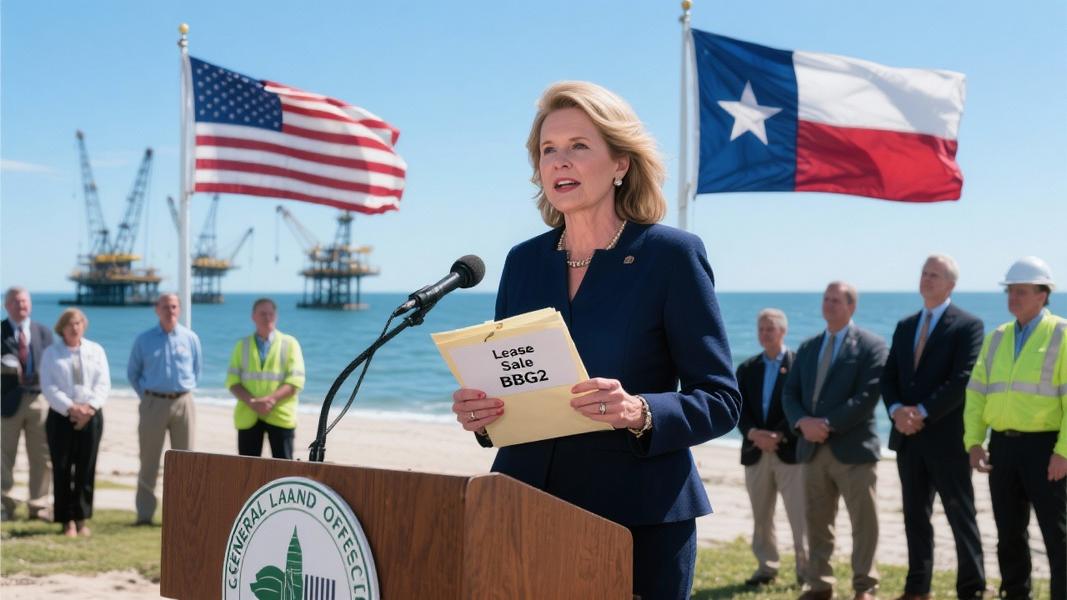
Texas is doubling down on carbon capture while slamming the brakes on offshore wind, highlighting the state’s divergent approach to energy development in the Gulf of Mexico.
ExxonMobil recently secured what officials are calling the nation’s largest offshore carbon dioxide capture and storage deal with Texas, gaining access to more than 270,000 acres of submerged land. The agreement allows the energy giant to sequester carbon dioxide one to two miles below the Gulf’s surface — a victory for the oil major’s emissions reduction strategy that comes as offshore wind projects face increasing headwinds in the region.
“With our growing roster of customers ready to deploy CCS, we’ll be driving substantial emissions reductions along the Gulf Coast through a comprehensive solution that includes capture, transportation and storage,” an ExxonMobil spokesperson stated.
Carbon Capture Up, Wind Down
The carbon capture deal represents just one piece of Texas’ broader CCS strategy. The state has awarded six other CCS leases in the past year, covering approximately half a million acres in state-owned waters along the coast. These projects are expected to generate a whopping $10 billion over 30 years, according to Texas Land Office estimates.
But when it comes to offshore wind, it’s a dramatically different story. Texas Land Commissioner Dawn Buckingham has actively opposed the Biden Administration’s second proposal for an offshore wind energy sale that would cover four areas in the Gulf, totaling 410,060 acres.
“As Texas Land Commissioner, I am charged with determining whether granting an easement to access state-owned submerged land for transmission lines to shore is in Texas’ best interest. Right now, I see significant economic, practical, and environmental concerns,” Buckingham wrote in her opposition letter.
The resistance appears to be working. In August 2023, federal offshore wind lease sales near Texas received zero bids — a failure that offshore wind advocates attributed to the state’s antagonistic political climate and opposition from state leaders, including Buckingham herself.
Trump Administration Pauses Wind Projects
Further complicating matters for wind developers, President Trump signed an executive order on January 20 pausing new wind leases on federal lands and waters. The move has effectively frozen the planned 2026 Gulf of Mexico wind lease sale.
“The Department of the Interior and the Bureau of Ocean Energy Management are implementing President Trump’s executive order temporarily halting offshore wind leasing on the Outer Continental Shelf,” according to federal officials who confirmed the order also pauses “new or renewed approvals, rights-of-way, permits, leases, or loans for offshore wind projects pending a review.”
What’s left of Gulf wind development? Not much. The only successful offshore wind lease sale in the Gulf occurred in August 2023, when RWE Offshore US Gulf LLC won the Lake Charles Lease Area with a $5.6 million bid for potential 1.24 gigawatts of offshore wind energy, business publications report.
Oil and Gas Expansion Continues
Meanwhile, Texas is charging full steam ahead with traditional energy development. The Bureau of Ocean Energy Management has announced a proposed second Gulf of America offshore oil and gas lease sale — dubbed “Lease Sale BBG2” (Big Beautiful Gulf 2) — scheduled for March 11, 2026. The sale will offer approximately 15,000 unleased blocks covering nearly 80 million acres of the U.S. Outer Continental Shelf.
“I applaud BOEM for continuing to deliver on President Trump’s commitment to predictable, pro-energy leasing that puts America first,” Buckingham said in a recent statement.
Texas officials are quick to point out the economic benefits of their energy strategy. The Texas General Land Office manages over 13 million acres of state land that generate revenue for Texas public education, with oil and gas activity on GLO-managed lands generating approximately $6 billion for the Texas Permanent School Fund since Buckingham took office.
“Texas is the energy capital of the world, and expanding responsible offshore production in the Gulf of America is essential to our nation’s economic strength and national security,” Buckingham emphasized.
Is this the end for offshore wind in Texas waters? The political climate certainly suggests so. The Texas Permanent School Fund has grown from a $2 million endowment to a $60.6 billion endowment since its creation, with much of that growth fueled by oil and gas revenues — creating little incentive for state officials to pivot toward renewable alternatives that they view as less reliable and profitable.
For now, Texas seems content to pursue a split strategy: capturing carbon while continuing to extract the fossil fuels that produce it in the first place.
