
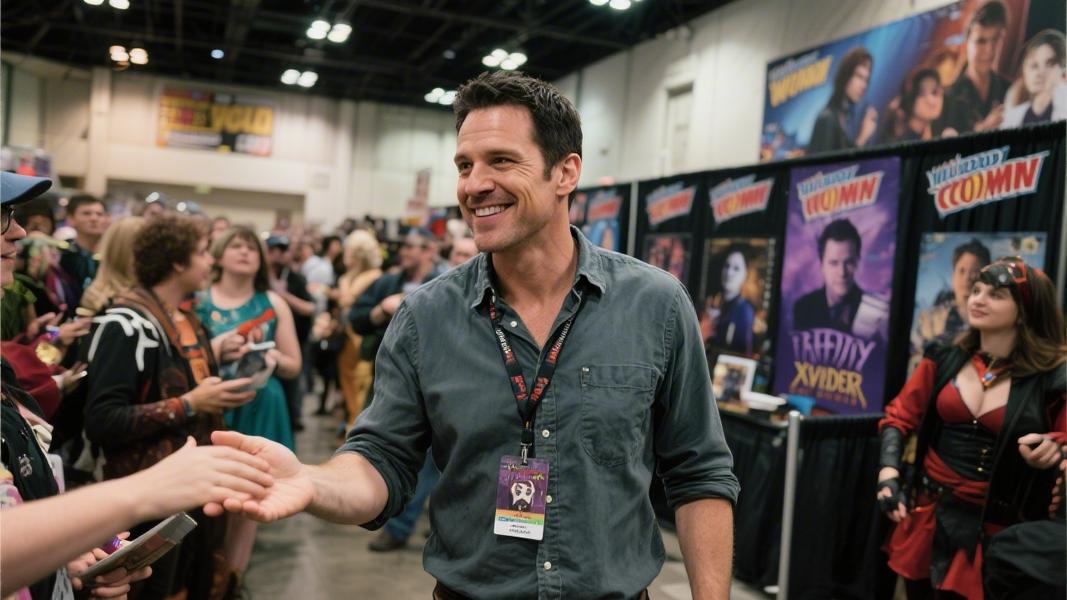
Nicholas Brendon, the actor who spent six seasons making audiences laugh and root for the lovable underdog Xander Harris on Buffy the Vampire Slayer, has died. He was 54.
His family confirmed Friday that Brendon — born Nicholas Brendon Schultz on April 12, 1971 — passed away in his sleep of natural causes on March 20, 2026. The news hit fans of the beloved late-90s cult series hard, arriving with little warning and no prolonged public illness to brace against. One day he was here. Then he wasn’t.
A Family’s Grief, Shared Publicly
In a statement to The Hollywood Reporter, his family didn’t mince words about the weight of the loss. Confirmed by multiple outlets, the statement read: “We are heartbroken to share the passing of our brother and son, Nicholas Brendon. He passed in his sleep of natural causes. Most people know Nicky for his work as an actor and for the characters he brought to life over the years.” The family also noted that in his final chapter, Brendon had found a deep passion for painting and visual art — a quieter, more private creative life than the one that had made him famous.
That detail lands differently when you sit with it. Here was a man who spent years in the public eye, often for painful reasons, quietly retreating toward something that was just his.
The Career That Defined Him
For a generation of television viewers, Brendon was Xander Harris — the wisecracking, non-superpowered everyman at the center of Buffy the Vampire Slayer, which ran from 1997 to 2003. It’s a tricky role to pull off. Surrounded by characters with supernatural gifts, Xander had to matter through sheer personality, and Brendon made it work in ways that still hold up. He was funny without being a prop, vulnerable without being pitiful.
After Sunnydale, he found a second act on Criminal Minds, playing tech analyst Kevin Lynch in a recurring role that stretched from 2007 to 2014. It wasn’t a starring vehicle, but it kept him working, kept him visible, and reminded viewers he had more range than one iconic role might suggest. As documented in accounts of his career, those two roles remained the twin anchors of his professional legacy.
The Struggles He Never Fully Escaped
Still, the years between those highs were complicated — and it would be dishonest to gloss over them. Brendon battled depression and alcoholism for much of his adult life, a fight that spilled into public view more than once. He faced multiple arrests tied to destruction of property, vandalism, theft, and domestic violence. In 2004, he voluntarily entered rehabilitation — a step his supporters pointed to as evidence of his willingness to confront what was hurting him, even when it was hard.
How do you write about someone like that? Carefully, and honestly. His struggles were real. So was his talent. Neither cancels the other out, and reducing him to either one would be a disservice to a life that was clearly more layered than any headline captured. His family described him as passionate, sensitive, and deeply creative — words that feel earned, not just polished for a press release.
Remembering the Man Behind the Character
News of his death spread quickly across social media Friday, with fans, former castmates, and industry figures pausing to mark the moment. The Buffy fandom, which has remained unusually devoted and organized for decades, was especially vocal. Xander Harris wasn’t the Slayer. He wasn’t a witch or a vampire with a soul. He was just a kid who showed up anyway — and that, apparently, meant everything to a lot of people.
Brendon is survived by his family, who asked for privacy as they grieve. He leaves behind two television generations that grew up watching him, a body of work that will outlast the grief, and, quietly, a collection of paintings most of the world never got to see.
In the end, maybe that’s the most human thing about him — that his last creative act belonged entirely to himself.
