
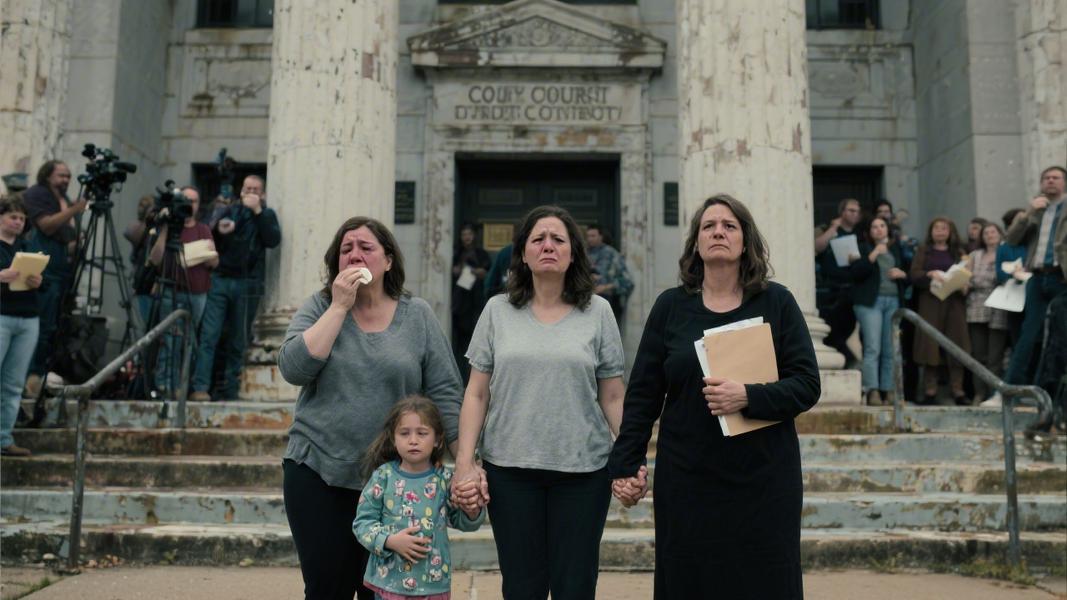
A federal judge has thrown out most of the civil lawsuit against Millsap ISD, ruling the small Texas school district can’t be held liable under federal civil rights or disability law — even as criminal charges against its educators move forward and video evidence of the alleged abuse remains deeply disturbing.
The ruling lands at the center of one of the more troubling school abuse cases to emerge in Texas this year. Three families filed a federal lawsuit in June 2025 after footage from February 2025 surfaced showing educators at Millsap Elementary allegedly mistreating a nonverbal autistic boy — striking him, throwing objects at him, and, according to family attorneys, subjecting him to verbal degradation. The lawsuit alleged abuse, failure to train and supervise staff, and violations under the Americans with Disabilities Act and the Rehabilitation Act. Now, most of it is gone.
What the Judge Found
The dismissal wasn’t a declaration of innocence — it was a legal determination about institutional liability. The court concluded that “this is not the kind of situation where MISD should be liable,” drawing a line between what individual employees allegedly did and what the district itself can be held responsible for under federal law. It’s a distinction that may feel cold to the families involved, but it’s one courts apply with some regularity in education civil rights cases.
Still, the judge didn’t wipe the slate entirely clean. One claim was allowed to proceed — specifically, the allegation that teacher Paxton Bean punched a student. The court found that, absent additional context, the act “was not corporal punishment when Bean struck” the child, suggesting it could instead constitute an unconstitutional violation of the student’s bodily integrity. That’s a meaningful legal distinction, and it keeps at least one thread of the civil case alive.
The Video That Started It All
How bad was what the cameras captured? Bad enough to trigger a grand jury indictment. The footage allegedly shows a teacher swinging at the boy, another hitting him on the hand, and staff calling him names and cursing at him. The child, remember, is nonverbal and autistic — unable to report what was happening to him. Parents only learned about the incidents through the footage itself, and the subsequent revelation that administrators may have known and said nothing.
That last part is where Superintendent Edie Martin enters the picture — and the criminal docket. Martin was charged with failure to report and intent to conceal. Teachers Jennifer Dale and Paxton Bean face charges of official oppression and injury to a child. The district’s defense has maintained that “once Martin and the school’s principal were informed of the violations, action was taken — people were removed, reported, and investigated.” Critics, including the families’ attorneys, see that framing as revisionist at best.
A Door Closed — But Not Locked
The lawsuit’s dismissal came with prejudice, which is the legal equivalent of a dead end for those specific claims. They can’t be refiled. That’s a significant blow to the families of Carissa Cornelius, Victoria Garcia, and the third plaintiff, who had hoped the federal case would force broader accountability from the institution itself. But it’s not entirely over. The surviving claim against Bean can still move forward, and the ruling as a whole remains appealable.
For the families, the legal math may feel beside the point. “To hear what these educators and administrators did,” one parent said, “and go to such lengths to cover it up is an abomination.” A judge agreeing that a punch wasn’t discipline doesn’t quite answer that.
The criminal proceedings against Martin, Dale, and Bean continue — and in some ways, that may be where the real reckoning happens. Courts have their rules about institutional liability. Juries tend to think about things a little differently.
