
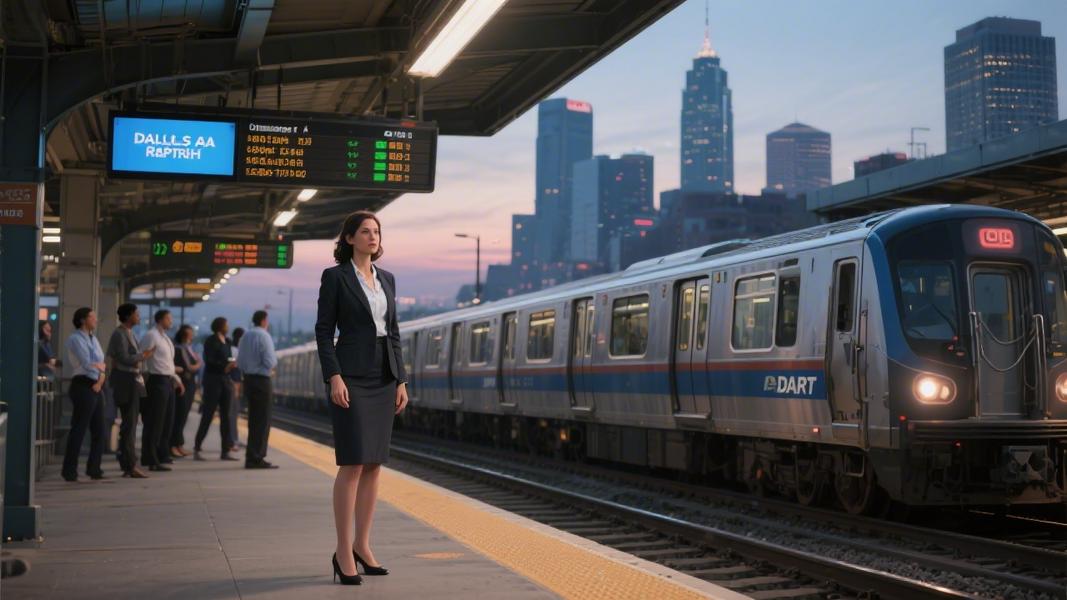
Nadine Lee is stepping down as the head of Dallas Area Rapid Transit, ending a tenure that reshaped one of the country’s largest public transit systems. The departure marks a significant leadership moment for the agency — and raises real questions about what comes next.
Lee, who has served as DART’s president and CEO since July 2021, announced her resignation following what sources describe as careful reflection on the agency’s progress. She has been listed as executive director from 2021 to the present, according to agency records. Her exit closes a chapter that began during one of the most turbulent stretches in modern transit history — a post-pandemic world still figuring out whether commuters would ever come back in the numbers they once did.
A Tenure Defined by Transition
It’s worth pausing on the timing. Lee didn’t take the helm during easy days. She stepped in during a period when transit agencies across the country were hemorrhaging ridership, renegotiating labor agreements, and scrambling to justify their budgets to skeptical city councils. That she lasted more than three years — and leaves on her own terms — says something.
Still, her resignation wasn’t entirely without tension. The decision, CBS News reported, came after personal deliberation about where the agency stands and where it’s headed. Whether that framing signals a clean exit or something more complicated is, for now, an open question.
What’s at Stake for DART
DART serves a sprawling, car-centric metroplex — which has never made the job easy. The agency oversees bus, light rail, and commuter rail services across multiple cities in the Dallas-Fort Worth region, and it has long faced the peculiar challenge of convincing Texans that public transit is worth their time and tax dollars. Lee’s leadership, whatever its full ledger of wins and losses, was set against that stubborn backdrop.
So who fills the seat now? DART hasn’t yet announced a successor, and the agency will need to move deliberately. Leadership vacuums at major transit agencies tend to stall capital projects, complicate labor negotiations, and — perhaps most damagingly — erode the institutional confidence that riders and city partners depend on.
That’s the catch. Transitions like this one rarely happen in a vacuum. The next executive director will inherit not just the budget and the board, but the momentum — or lack of it — that Lee leaves behind. And in a city that’s growing as fast as Dallas is, the margin for a slow start is thin.
For now, Nadine Lee’s departure closes one chapter and opens another — and the region’s commuters, whether they know it or not, have a stake in how that story gets written.
