
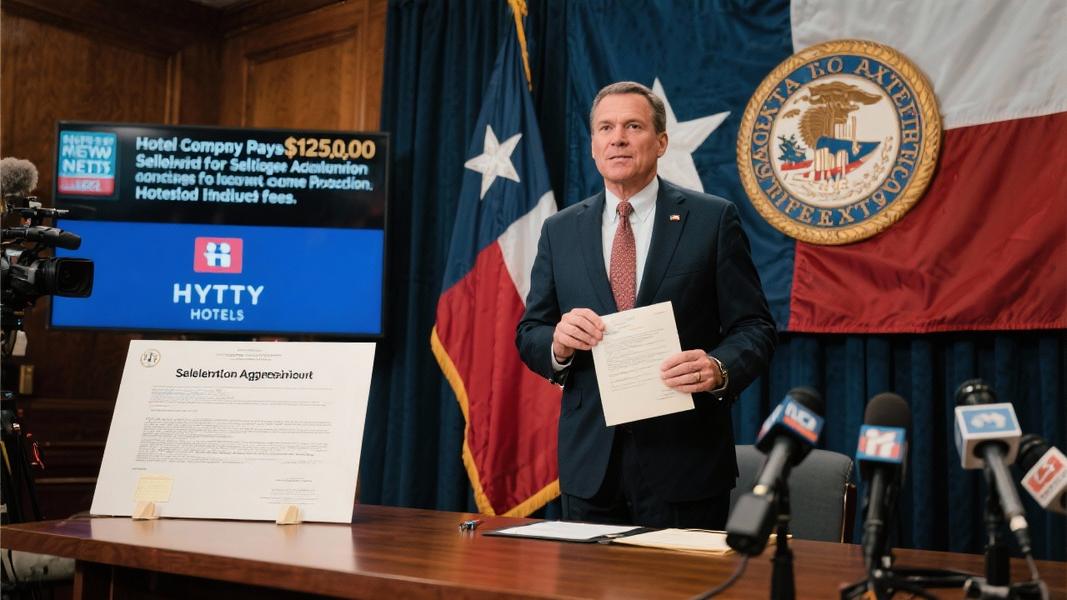
Texas Attorney General Ken Paxton has secured a $1.25 million settlement with Hyatt Corporation over hidden hotel fees that allegedly misled consumers about the true cost of their stays.
The settlement, announced by Paxton’s office, resolves a lawsuit filed in 2023 accusing the hotel chain of violating Texas consumer protection laws by advertising room rates that didn’t include mandatory fees — a practice critics often call “drip pricing.”
Hidden Fees, Hidden Costs
At the heart of the case was Hyatt’s practice of charging unavoidable fees on top of its advertised daily room rates. These additional charges were disclosed in ways that made them unlikely to catch consumers’ attention until they were already deep in the booking process.
“Texas consumers should never be misled by hotel companies attempting to hide fees and charges,” said Attorney General Paxton in a statement. “Any hotel company or booking site that tries to mislead and take advantage of Texans will be exposed and will pay a heavy penalty for their deception.”
Beyond the financial penalty, the settlement requires Hyatt to change its practices. The hotel chain must now disclose all mandatory fees upfront when advertising room prices, allowing consumers to more effectively compare costs across different lodging options.
Part of a Broader Crackdown
Sound familiar? It should. This marks Paxton’s sixth settlement targeting what his office characterizes as deceptive pricing practices in the hospitality industry. Previous agreements have been reached with other major players including Marriott, Omni Hotels, Choice Hotels, and Hilton, according to reports.
The original lawsuit against Hyatt was filed in 2023, alleging misleading marketing practices and hidden fee structures that left consumers in the dark about what they’d actually be paying.
What’s the total tally for these settlements? The numbers are adding up. Earlier this year, Paxton reached a $9.5 million settlement with Booking Holdings over similar “junk fee” practices, highlighting the state’s aggressive enforcement priorities in this area.
The practice of revealing mandatory fees only later in the booking process — sometimes called “drip pricing” by consumer advocates — has been a target for regulators across the country in recent years. Hotels often advertise a base room rate but then add resort fees, amenity fees, or destination charges that can significantly increase the final cost of a stay.
Consumer Impact
For Texas travelers, the settlement means more transparency when booking at Hyatt properties. Rather than being surprised by additional charges at checkout, consumers should now see the complete price earlier in the booking process.
Consumer advocates have long argued that hidden fees not only mislead travelers but also make it difficult to comparison shop effectively. When different hotel chains disclose fees at different stages of the booking process, comparing the true cost of a stay becomes unnecessarily complicated.
While the settlement represents a victory for price transparency, the $1.25 million payment is unlikely to make a significant dent in Hyatt’s finances. Still, the required changes to business practices could have more lasting effects on how hotels advertise their rates.
As summer travel season approaches, Texans booking hotel rooms might notice a difference in how prices are displayed — not just at Hyatt properties but across the industry as competitors adjust to avoid similar legal challenges.
