
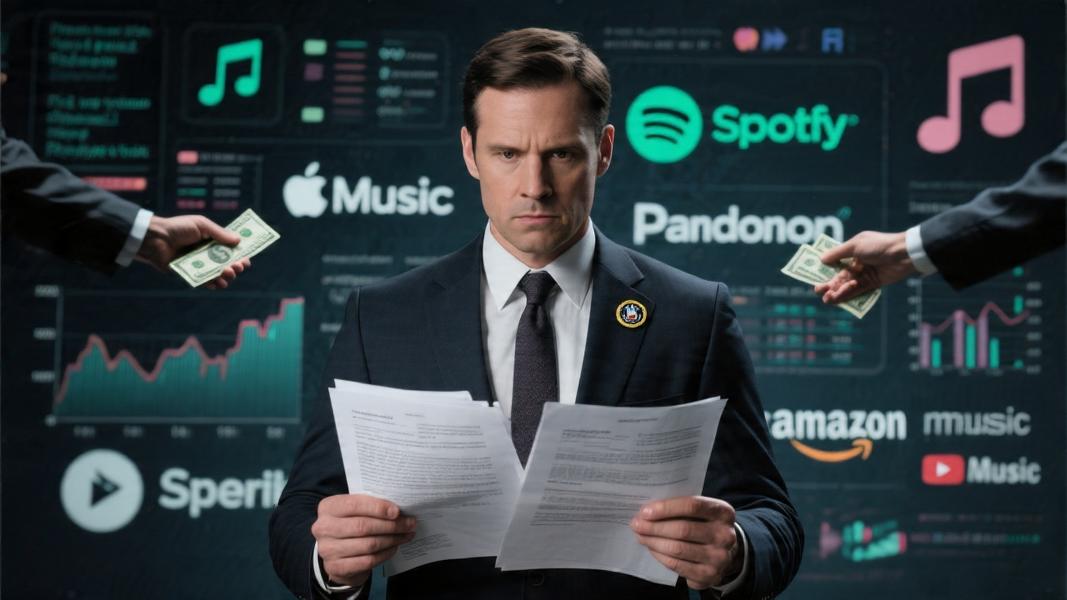
Texas Attorney General Ken Paxton is coming for the playlist. On Wednesday, Paxton announced a sweeping investigation into some of the biggest names in music streaming, alleging the platforms may be accepting bribes to push certain songs and artists — and keeping listeners completely in the dark about it.
The probe targets Spotify, Apple Music, Pandora, Amazon Music, and YouTube Music, and centers on the age-old practice of payola — the exchange of undisclosed compensation for preferential promotion. It’s a scheme that got radio stations into serious trouble in the early twentieth century, eventually prompting federal prohibition. Now, Paxton’s office argues, it may have quietly migrated into the digital streaming era, where the stakes are arguably even higher.
What Paxton Is Alleging
At its core, the investigation asks a pointed question: are these platforms taking money from record labels, promoters, or other third parties to artificially boost certain artists in playlists and algorithmic recommendations — without telling users any of it? Paxton says that’s exactly what he intends to find out. “Music artists deserve to compete on a level playing field, not one distorted by bribes, and listeners deserve transparency in what they are being recommended,” he stated in the announcement. “I will ensure that if any big streaming service is accepting bribes to push certain content and deceive users, they will be held accountable to restore fairness and integrity in the music industry.”
Strong words. And to back them up, Paxton’s office has issued Civil Investigative Demands — known as CIDs — to each of the named companies. These are formal legal instruments that compel the platforms to hand over documents and information related to any undisclosed financial arrangements that may have influenced what songs get surfaced, which artists land on coveted playlists, and how recommendation rankings are quietly shaped behind the scenes.
Why Payola Still Matters — Maybe More Than Ever
Payola isn’t a new concept. It’s practically as old as the music business itself. The scandal that rocked radio in the 1950s and 1960s — where DJs were pocketing cash to spin certain records — led to federal laws requiring disclosure whenever airplay is purchased. The idea was simple: if you’re being paid to promote something, say so. Audiences have a right to know.
But it’s not that simple in the streaming age. Algorithms are opaque by design. Nobody outside a platform’s engineering team really knows why one song keeps appearing at the top of a “Recommended For You” queue while another disappears entirely. That opacity, critics have long argued, creates fertile ground for the kind of pay-to-play arrangements that regulators thought they’d buried decades ago. The investigation suggests those concerns are no longer theoretical.
Still, it’s worth noting that none of the five companies have been charged with any wrongdoing. CIDs are investigative tools — they open a door, they don’t kick it down. Whether Paxton’s office finds anything actionable on the other side remains to be seen.
What’s at Stake
For independent artists, the implications are significant. Streaming platforms have become the primary gateway between musicians and audiences. A spot on a major Spotify playlist can mean the difference between obscurity and a career. If those placements are quietly being auctioned off to whoever can afford them — and if that’s happening without any disclosure — it fundamentally undermines the meritocratic promise these platforms have always marketed themselves on.
For the platforms themselves, the reputational and legal exposure could be considerable. Texas isn’t a small market, and Paxton’s office has shown a willingness in recent years to pursue high-profile tech investigations that other states have watched closely. A finding of deceptive trade practices under Texas law could carry real financial and regulatory consequences — and potentially invite similar scrutiny from other attorneys general watching this one unfold.
Whether this investigation produces hard evidence of wrongdoing, or fizzles into a stack of unread depositions, one thing is clear: the question of who decides what you hear — and why — just got a lot harder to ignore.
